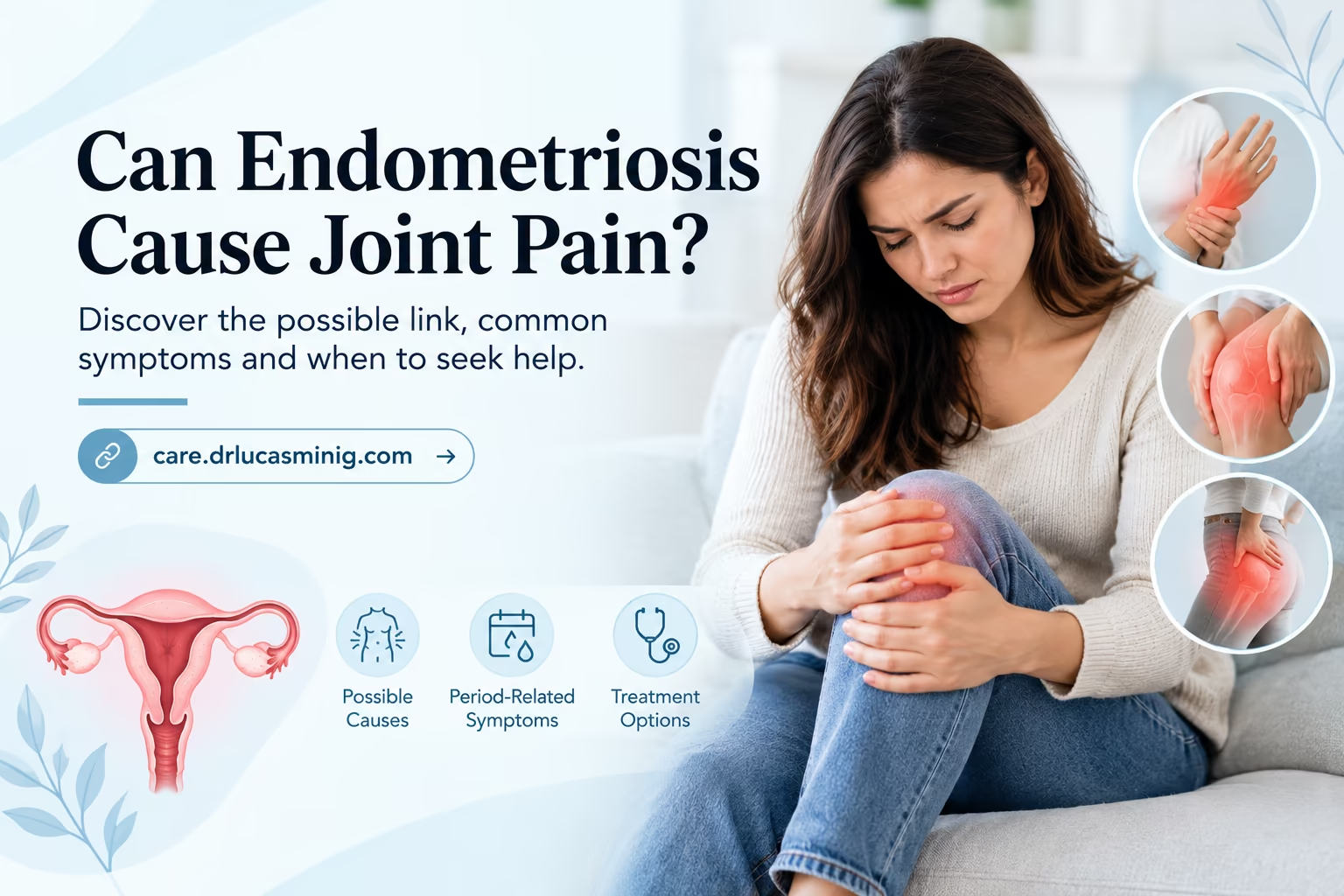
If you live with endometriosis and frequently experience aching knees, painful hips, stiff wrists, or sore shoulders, you may wonder whether these symptoms are connected. Can endometriosis cause joint pain? The answer is that a connection is possible, but joint pain is not one of the most commonly recognized symptoms of endometriosis, and it should not automatically be attributed to the condition.
In rare cases, endometriosis can affect tissues around muscles and joints. Joint pain may also occur alongside endometriosis because of overlapping pain conditions, medication side effects, or an unrelated musculoskeletal or inflammatory problem.
Understanding when the pain occurs, which joints are affected, and whether you have other symptoms can help your healthcare provider determine the most appropriate next steps.
Table of Contents
Can Endometriosis Cause Joint Pain?
Yes, endometriosis can be associated with joint pain in some circumstances, although the evidence is limited and the relationship is not always direct.

Endometriosis develops when tissue similar to the lining of the uterus grows elsewhere in the body. It most commonly affects structures within the pelvis, where it can contribute to inflammation, scar tissue, and pain. Less commonly, endometriosis can occur outside the pelvis, including in certain muscles and joint areas.
A 2023 systematic review examined 78 published cases of endometriosis affecting the skeletal muscular system. Four reported cases involved joints, including the shoulder, wrist, and knee. Many of the reported musculoskeletal symptoms were linked to the menstrual cycle.
These findings show that joint involvement is medically possible. However, the review collected unusual cases reported in the medical literature; it did not establish how often joint pain occurs among people with endometriosis.
You can read the systematic review of musculoskeletal endometriosis for further details.
It is also important to distinguish localized endometriosis affecting a joint from generalized joint aches. Pain in several joints does not, by itself, mean endometriosis has spread to those areas.
How Can Endometriosis Be Connected to Joint Pain?
There are several possible explanations for joint pain in someone who has endometriosis. Identifying the correct explanation matters because the treatments may be different.
1. Rare Endometriosis Affecting a Joint or Nearby Tissue
Endometriosis can occasionally develop in parts of the musculoskeletal system, including muscles and, in rare reported cases, joints.
Symptoms may include localized pain, tenderness, swelling, a lump, or difficulty moving the affected area. Some people experience symptoms that become worse shortly before or during menstruation.
A previous pelvic operation may be part of the medical history in some cases, but a history of surgery is not required for musculoskeletal endometriosis to occur.
Because this type of endometriosis is unusual, healthcare professionals also need to consider other explanations for a painful joint. A swollen or painful knee, for example, may be related to an injury, arthritis, infection, or another medical problem.
The presence of endometriosis elsewhere in the body does not prove that a joint symptom is caused by the same condition.
2. Referred Pain and Changes in Pain Processing
Endometriosis can cause substantial pain in the pelvis, lower abdomen, back, and surrounding areas. Some people also experience pain that radiates into the hips or legs.
Referred pain occurs when discomfort originating in one area is felt somewhere else. Muscle tension, pelvic floor dysfunction, and changes in the way the nervous system processes persistent pain may also contribute to a wider pain experience.
For example, chronic pelvic pain can affect movement and muscle use. A person may change the way they sit, walk, or exercise to avoid discomfort, which can place additional strain on certain muscles and joints.
These mechanisms may help explain some musculoskeletal symptoms associated with endometriosis, but they do not establish that endometriosis directly damages the joints.
The NIH overview of endometriosis explains that pain can involve several mechanisms and that the severity of pain does not always correspond to the number or extent of endometriosis lesions.
3. Medication Side Effects
Joint pain can sometimes be a side effect of treatment rather than a direct symptom of endometriosis.
Certain medicines used to suppress ovarian hormones, including some gonadotropin-releasing hormone (GnRH) treatments, may cause joint pain or muscle stiffness. The likelihood and nature of side effects depend on the specific medication and the individual taking it.
If your joint pain began after starting a new medicine or changing your treatment dose, tell your prescribing clinician. Do not stop prescribed hormonal treatment without discussing the risks and alternatives with your healthcare provider.
Your clinician can review when the symptoms started, whether other side effects are present, and whether a different treatment approach may be appropriate.
4. Another Condition Occurring Alongside Endometriosis
Not every symptom experienced by someone with endometriosis is caused by endometriosis.
Joint pain can be associated with several other conditions, including:
- Rheumatoid arthritis: An inflammatory condition that can cause joint pain, swelling, and stiffness.
- Osteoarthritis: A condition involving changes to the tissues within a joint, which may cause pain and reduced movement.
- Fibromyalgia: A chronic pain condition associated with widespread pain, fatigue, and sleep difficulties.
- Muscle or tendon problems: Overuse, injury, or strain may cause discomfort around a joint.
- Other inflammatory or autoimmune conditions: These may cause joint symptoms that require their own evaluation.
Research has reported associations between endometriosis and certain other chronic or immune-related conditions. However, an association does not prove that endometriosis causes those conditions or that they explain an individual’s joint pain.
A separate diagnosis may require a different treatment plan, which is why persistent or unexplained joint symptoms deserve proper assessment.
What Does Endometriosis-Related Joint Pain Feel Like?
There is no single pattern of joint pain that confirms a connection to endometriosis. The symptoms can vary depending on their cause.
Possible experiences include:
- Aching or tenderness around a joint.
- Pain that becomes more noticeable before or during menstruation.
- Discomfort that returns in a similar pattern across several menstrual cycles.
- Localized swelling or a lump in an affected area.
- Stiffness or difficulty moving a joint normally.
- Pain around the hips, thighs, or lower back that occurs alongside pelvic pain.
Some of these symptoms can occur with many unrelated conditions. Their presence alone cannot establish a diagnosis of joint endometriosis.
Pay particular attention to whether the pain is localized to one joint or involves several areas. Also note whether you experience swelling, redness, morning stiffness, weakness, or other symptoms.
Keeping a record of these details can help your clinician distinguish between possible causes.
Is Joint Pain Worse Before or During Your Period?
For some people with endometriosis, pain fluctuates with the menstrual cycle. The same pattern has been reported in many published cases of musculoskeletal endometriosis.
In the 2023 systematic review, 76.8% of the reported local musculoskeletal symptoms were related to the menstrual cycle. This means the symptoms started or became worse around menstruation. Remember that these figures describe selected published cases, not everyone living with endometriosis.
You may find it useful to record:
- The first and last day of each period.
- Which joints hurt and how severe the pain feels.
- Whether pain begins before bleeding or during menstruation.
- Whether swelling, stiffness, or movement difficulties occur.
- Any medication changes, recent injuries, or unusual physical activity.
If your joint pain regularly follows the same menstrual pattern, share that information with your gynecologist. A recurring pattern can be a useful diagnostic clue, although it does not prove that endometriosis is responsible.
Pain that occurs throughout the month, affects several joints, or comes with significant swelling may require evaluation for another condition as well.
How Is the Cause of Joint Pain Diagnosed?
There is no single test that can determine whether every case of joint pain is related to endometriosis. The evaluation depends on your symptoms, medical history, physical examination, and the location of the pain.
Medical History and Symptom Assessment
Your clinician may ask when the pain began, whether it follows your menstrual cycle, which joints are affected, and whether you have a previous diagnosis of endometriosis.
They may also review your medications, past injuries, family history, and any other symptoms, such as prolonged morning stiffness or fever.
Explaining the relationship between joint pain and menstruation is particularly useful if symptoms appear at predictable times.
Physical Examination and Imaging
The examination may focus on the affected joint, range of motion, swelling, tenderness, and signs of inflammation. Depending on the findings, your clinician may recommend tests such as an X-ray, ultrasound, or MRI.
When endometriosis affecting a joint or nearby tissue is suspected, specialist assessment and targeted imaging may be necessary. In selected cases, tissue sampling or surgery may help establish the diagnosis.
A gynecologist may work with an orthopedic specialist, rheumatologist, radiologist, or other healthcare professional depending on the symptoms.
For suspected pelvic endometriosis, evaluation may also involve a gynecological examination and pelvic ultrasound or MRI. The appropriate investigations depend on the suspected location and the individual clinical situation.
Blood Tests and Assessment for Other Conditions
Blood tests may be appropriate if the clinician suspects an inflammatory, autoimmune, or other systemic condition. No single routine blood test can confirm or exclude every possible cause of joint pain.
According to the NHS guide to endometriosis, symptoms can overlap with other conditions, and further assessment may include examination, ultrasound, MRI, or laparoscopy when appropriate.
The aim is not simply to attribute the pain to endometriosis, but to identify the explanation most consistent with the complete clinical picture.
How Can You Manage Joint Pain With Endometriosis?
The best approach depends on what is causing the joint symptoms. Measures that help one person may not be appropriate for someone whose pain is due to inflammation, injury, a medication side effect, or another condition.
Follow an Individualized Treatment Plan
If joint pain is linked to a diagnosed endometriosis lesion, your healthcare team may discuss treatment according to its location, severity, and impact on daily activities.
Endometriosis treatment may include hormonal medication, pain-relieving medication, or surgery in selected cases. However, treatment should be tailored to the specific diagnosis rather than assuming every joint symptom requires endometriosis surgery.
If another condition is responsible, it may need separate treatment.
Adapt Physical Activity to Your Symptoms
Gentle movement and suitable physical activity may help maintain mobility and general well-being. However, activities should be adapted to your current symptoms.
Avoid forcing a joint through severe pain, especially if there is new swelling, marked tenderness, or restricted movement. A physiotherapist may help you identify appropriate exercises and movement strategies after the cause of the pain has been assessed.
Discuss Pain Relief and Medication Changes
Ask your healthcare provider which pain-relieving options are suitable for you. Some medicines may be inappropriate depending on your other conditions, medical history, or current treatments.
If pain appeared after starting a hormonal medication, discuss the timing with the prescriber. They can review whether the medicine may be contributing and consider alternatives if necessary.
Do not independently discontinue prescribed treatment or combine pain medicines without checking their safety.
Track Symptoms and Seek Specialist Care
A symptom diary can reveal whether joint pain consistently coincides with menstrual symptoms, changes after medication, or follows particular activities.
If your symptoms remain unexplained, worsen, or interfere with walking, working, sleeping, or other daily activities, arrange a medical review.
For people seeking specialist assessment and treatment for endometriosis, Dr. Lucas Minig’s endometriosis treatment information provides a starting point for learning about specialist care.
When Should You Seek Medical Advice?
Persistent or recurring joint pain should be assessed, particularly when it occurs alongside endometriosis symptoms or follows a clear menstrual pattern.
Arrange a medical appointment if you experience repeated joint pain, unexplained stiffness, swelling, reduced movement, or symptoms that began after a medication change.
Seek urgent medical assessment if a joint becomes suddenly hot, red, and swollen, particularly if you also have a fever. This can indicate a potentially serious problem, including a joint infection. Sudden severe pain, major injury, or an inability to bear weight also warrants prompt assessment.
Do not assume that new or severe symptoms are simply part of endometriosis. Identifying the actual cause is important for receiving the right treatment.
FAQ’s
Can endometriosis cause pain in the knees?
It is possible, but rare. Published medical cases include endometriosis involving the knee and other musculoskeletal sites. Knee pain is much more commonly caused by other conditions, so persistent symptoms need proper evaluation.
Can endometriosis cause joint pain throughout the body?
Endometriosis may coexist with widespread or chronic pain, but pain throughout the body does not automatically mean endometriosis is affecting multiple joints. Medication side effects, fibromyalgia, inflammatory conditions, and other causes may need to be considered.
Why do my joints hurt more during my period?
Some musculoskeletal endometriosis cases have shown menstrual-cycle-related pain. Hormonal changes may also coincide with changes in existing pain symptoms. However, period-related joint pain does not confirm that endometriosis is responsible.
Can endometriosis medication cause joint pain?
Yes. Certain hormone-suppressing medicines used for endometriosis can cause joint pain or stiffness. Tell your prescriber when the symptoms began so they can assess possible side effects and review your treatment options.
Should I see a gynecologist or a rheumatologist for joint pain?
It depends on the symptoms. A gynecologist can assess possible endometriosis-related symptoms, while a rheumatologist evaluates inflammatory and autoimmune joint conditions. Your primary healthcare provider can help coordinate the appropriate referral, and more than one specialist may be needed.
Conclusion
Can endometriosis cause joint pain? Yes, in rare cases endometriosis can directly affect tissues around muscles and joints, and some people with the condition may experience joint symptoms for other related or unrelated reasons. However, the available evidence on direct joint involvement is limited, and general joint pain is not enough to establish the cause.
Pay attention to whether your symptoms follow your menstrual cycle, keep a record of any associated changes, and discuss persistent or worsening pain with your healthcare provider. A careful evaluation can help distinguish rare musculoskeletal endometriosis from medication effects, inflammatory conditions, and other causes so that you can receive appropriate treatment.