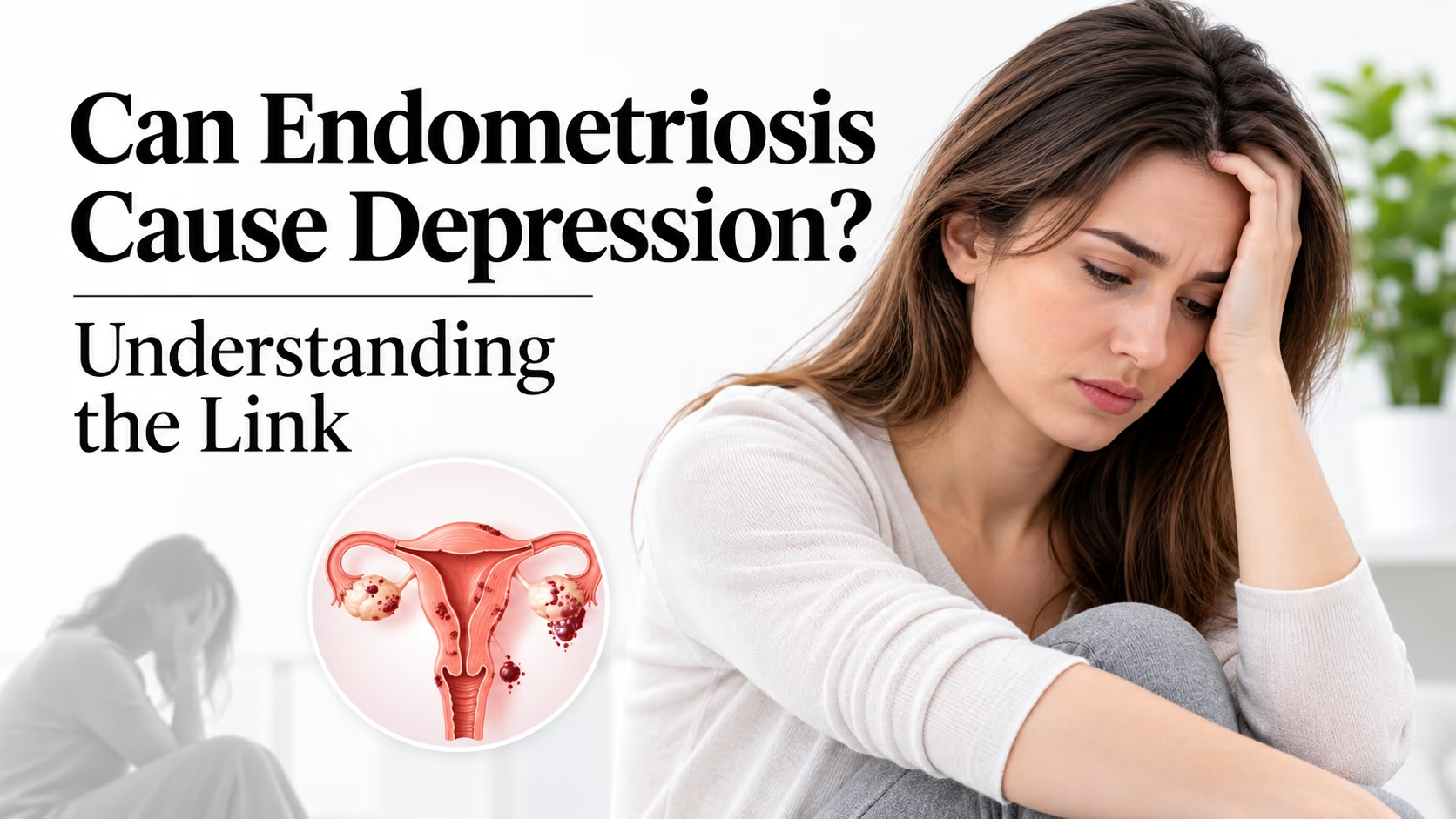
Living with endometriosis can affect much more than your physical health. Alongside painful periods, pelvic discomfort, and fatigue, some people experience emotional difficulties that affect their relationships, confidence, work, and everyday activities. This raises an important question: can endometriosis cause depression?
Research shows that people with endometriosis experience higher levels of depressive symptoms than people without the condition. However, the relationship is complex. Chronic pain, sleep disturbances, uncertainty about treatment, fertility concerns, and the emotional burden of managing a long-term illness may all contribute to depression.
This does not mean everyone with endometriosis will develop depression. It also does not mean that emotional symptoms are imaginary or that depression is simply a reaction to pain. Mental health deserves attention alongside physical symptoms, and appropriate support can make a meaningful difference.
Can Endometriosis Cause Depression?
Endometriosis is associated with an increased likelihood of depression and anxiety, but it is not accurate to say that the condition directly causes depression in every person.
Endometriosis is a chronic inflammatory condition in which tissue similar to the lining of the uterus grows outside the uterus. It can cause persistent pelvic pain, painful menstruation, fatigue, painful intercourse, and difficulties with fertility.
These symptoms can affect many areas of life. Someone who regularly experiences severe pain may struggle to attend work, participate in social activities, maintain relationships, or follow their usual routine. Over time, these challenges may contribute to emotional exhaustion and depressive symptoms.
The relationship may also work in both directions. Depression can affect sleep, motivation, coping, and the experience of chronic pain, while ongoing pain and physical limitations can make depression more difficult to manage.
The NHS recognizes low mood and anxiety among the possible effects of endometriosis. It also explains that long-lasting symptoms can affect daily life, work, and relationships.
You can read the NHS guide to endometriosis for further information.
Importantly, having endometriosis does not mean you will automatically develop depression. Every person’s physical and emotional experience is different.
Why Can Endometriosis Affect Mental Health?
There is no single explanation for the relationship between endometriosis and depression. Several physical, psychological, and social factors may contribute at the same time.

1. Living With Chronic Pain
Persistent pain is one of the most important factors to consider.
Endometriosis can cause painful periods, ongoing pelvic discomfort, back pain, pain during sex, and sometimes discomfort when passing urine or opening the bowels. For some people, the pain continues even outside menstruation.
Living with recurring pain can become emotionally exhausting. You may start worrying about when the next flare-up will happen or whether you will be able to complete everyday responsibilities.
For example, someone may cancel social plans because of unexpected pelvic pain or struggle to concentrate at work because of discomfort. These repeated disruptions can affect confidence, independence, and emotional well-being.
A 2022 systematic review published in the European Journal of Pain examined 27 studies involving 5,419 women with endometriosis. It found that anxiety and pain catastrophizing were consistently associated with greater pain, while depression, anxiety, and stress were associated with poorer health-related quality of life.
The findings suggest that chronic pain and emotional health are closely connected, although they do not prove that one always causes the other.
You can read the systematic review of psychosocial factors, pain, and quality of life in endometriosis.
2. Fatigue and Sleep Problems
Fatigue is another common challenge for people living with endometriosis.
Persistent pain may make it difficult to fall asleep, stay asleep, or find a comfortable sleeping position. Some people also experience fatigue because of heavy menstrual bleeding, other health conditions, or the demands of managing ongoing symptoms.
Poor sleep can affect concentration, patience, motivation, and emotional regulation.
When someone feels exhausted most days, ordinary responsibilities may become more difficult. Activities that previously felt enjoyable may start to seem overwhelming.
Sleep problems do not automatically indicate depression. However, persistent tiredness and disturbed sleep can occur alongside depressive symptoms and may make emotional difficulties harder to manage.
3. Fertility Concerns and Uncertainty
Endometriosis can affect fertility, although many people with the condition are still able to become pregnant naturally.
For those who want children, concerns about fertility may create considerable emotional pressure. Uncertainty about pregnancy, fertility investigations, or treatment options can contribute to sadness, anxiety, and feelings of disappointment.
Repeated medical appointments and decisions about fertility treatment may also become stressful.
It is important to remember that an endometriosis diagnosis does not automatically mean infertility. A fertility specialist or gynecologist can explain individual circumstances and discuss available options.
Emotional support can also be helpful when fertility concerns become difficult to manage.
4. Effects on Relationships, Work, and Daily Life
Endometriosis can interfere with activities that many people normally take for granted.
Pain may affect exercise, household responsibilities, work schedules, social plans, and intimate relationships. Some people may find it difficult to explain their symptoms to family members or colleagues, particularly when they appear physically well despite experiencing significant discomfort.
Sexual pain may also create emotional difficulties between partners. Someone may avoid intimacy because they are afraid of experiencing pain, which can affect confidence and relationship satisfaction.
When these difficulties continue over time, a person may feel isolated or misunderstood.
This is one reason why endometriosis care should consider more than physical symptoms. NICE guidance emphasizes that the condition can have a significant psychological, sexual, and social impact.
5. Delayed Diagnosis and Feeling Unheard
Receiving an endometriosis diagnosis can take time. Symptoms may overlap with other conditions, and some people experience delays before their concerns are properly investigated.
During this period, someone may repeatedly seek medical advice without receiving a clear explanation for their pain.
Some people also feel that their symptoms are dismissed or misunderstood by healthcare professionals, family members, or colleagues.
Living with uncertainty can increase frustration and emotional distress. Even after receiving a diagnosis, someone may continue to worry about treatment, future symptoms, or whether their condition will affect their long-term plans.
Clear communication, appropriate investigations, and supportive medical care can help reduce some of this uncertainty.
What Does Endometriosis-Related Depression Feel Like?
Depression can affect people in different ways. Some experience persistent sadness, while others mainly notice low motivation, emotional numbness, irritability, or difficulty enjoying activities.
Possible symptoms include:
- Feeling sad, empty, or hopeless for much of the day.
- Losing interest in activities you previously enjoyed.
- Feeling emotionally exhausted or overwhelmed.
- Having difficulty concentrating or making decisions.
- Experiencing changes in sleep patterns.
- Having changes in appetite or weight.
- Feeling guilty, worthless, or unusually self-critical.
- Withdrawing from friends, family, or social activities.
- Finding it difficult to manage everyday responsibilities.
Some physical symptoms of depression, such as fatigue and sleep disturbances, can overlap with symptoms of endometriosis.
This can make it difficult to identify the reason for every symptom without a proper assessment.
It is also important to distinguish temporary sadness from clinical depression. Feeling upset after a painful flare-up or a difficult medical appointment does not necessarily mean you have a depressive disorder.
However, low mood that persists, affects everyday functioning, or occurs alongside other depressive symptoms deserves professional attention.
What Does Research Say About Endometriosis and Depression?
Research increasingly recognizes the mental health burden associated with endometriosis.
A 2025 systematic review and meta-analysis published in Annals of Medicine and Surgery examined the relationship between endometriosis and mental health.
The researchers included nine studies in their analysis and reported a pooled relative risk of 2.93 for depression among people with endometriosis compared with comparison groups.
However, there was substantial statistical heterogeneity, with an I² value of 100%. This means the results varied considerably between the included studies. Differences in populations, study methods, and how depression was measured may have contributed to this variation.
The result should therefore not be interpreted as proof that every person with endometriosis has nearly three times the risk of clinical depression. It demonstrates an association that needs further investigation.
Another systematic review published in 2023 examined depressive symptoms, anxiety, and quality of life among people with endometriosis. It found an association between endometriosis and poorer mental health, although the reported prevalence of depressive symptoms varied widely between studies.
More recently, a 2025 systematic review and meta-analysis examined 16 studies involving 3,687 participants. It investigated how emotion-regulation patterns relate to pain, depressive symptoms, and quality of life in endometriosis.
Together, these findings support an important message: mental health should be included in endometriosis care rather than treated as a separate concern.
You can explore the research here:
- 2025 systematic review and meta-analysis on endometriosis and mental health
- 2023 systematic review on depression, anxiety, and quality of life
- 2025 systematic review of emotion regulation, pain, and depressive symptoms
Although these studies provide useful evidence, they cannot establish that endometriosis directly causes depression. The relationship is likely influenced by several interacting factors.
Can Depression Make Endometriosis Pain Worse?
Depression and chronic pain can influence each other.
When someone experiences depression, sleep, concentration, motivation, and emotional coping may become more difficult. These changes can affect how they manage ongoing pain and respond to flare-ups.
Likewise, persistent pain can contribute to emotional distress, especially when symptoms interfere with work, relationships, physical activity, and everyday responsibilities.
This does not mean that pain is caused by negative thinking or that someone can control endometriosis by simply changing their attitude.
Pain is a real physical symptom, and it deserves appropriate medical assessment and treatment.
Psychological support may help someone develop strategies for managing the emotional burden of chronic pain. It should complement, rather than replace, appropriate gynecological care.
How Can You Manage Depression When You Have Endometriosis?
Managing depression alongside endometriosis often requires attention to both physical and emotional health. The right approach depends on the severity of symptoms, individual circumstances, and existing treatment.
1. Discuss Your Emotional Symptoms With Your Doctor
Tell your healthcare provider if you have noticed persistent sadness, loss of interest, sleep changes, or difficulty coping.
Your doctor can assess whether these symptoms may be related to depression, another health condition, medication, or a combination of factors.
You do not need to wait until your symptoms become severe before asking for help.
2. Consider Psychological Therapy
Talking therapies can help people understand and manage emotional difficulties associated with chronic illness.
For example, cognitive behavioural therapy (CBT) may help identify unhelpful thought patterns and develop practical ways to respond to difficult situations.
Therapy does not mean that endometriosis pain is psychological. It provides additional support for managing the emotional and behavioural challenges that can accompany persistent physical symptoms.
A psychologist or other qualified mental health professional can discuss the approaches most appropriate for your needs.
3. Follow an Individualized Endometriosis Treatment Plan
Uncontrolled pain can place considerable strain on emotional well-being.
Work with your gynecologist to review whether your current treatment is helping. Depending on your circumstances, options may include pain-relieving medication, hormonal treatment, further investigations, or surgery.
Treatment decisions should consider your symptoms, medical history, possible side effects, and reproductive plans.
The NHS explains that endometriosis treatment may include medication and surgery, depending on individual needs.
4. Prioritize Sleep and Daily Routines
A regular sleep schedule may help support general well-being.
Try to maintain consistent sleep and wake times, create a comfortable sleeping environment, and adjust daily responsibilities when symptoms become difficult.
It is not necessary to follow a perfect routine. Small, manageable changes may be more realistic when dealing with chronic pain and fatigue.
5. Maintain Supportive Relationships
Living with endometriosis can sometimes feel isolating, particularly when people around you do not understand the condition.
Talking with trusted friends, family members, or a partner may help you feel less alone.
You may also find it helpful to connect with endometriosis support groups where people share experiences and practical coping strategies.
Support should make it easier to discuss your needs rather than pressure you to manage symptoms without medical help.
6. Adapt Physical Activity to Your Symptoms
Gentle physical activity may support general health and emotional well-being when it is appropriate for your condition.
Walking, stretching, or other low-impact activities may be suitable for some people. However, you should not force yourself to exercise through severe pelvic pain or a significant flare-up.
Consider discussing suitable activities with your healthcare provider or physiotherapist.
7. Seek Treatment for Depression When Needed
If you are diagnosed with depression, your treatment may include psychotherapy, medication, or a combination of both.
Antidepressants may be appropriate for some people, but the decision should be made with a qualified healthcare professional who can review your medical history and other medications.
Treating depression is not a substitute for managing endometriosis. Both conditions deserve appropriate attention.
When Should You Seek Professional Help?
You should speak with a healthcare professional if low mood continues, becomes difficult to manage, or begins affecting your relationships, work, sleep, and daily activities.

As a general guide, the NHS advises seeking medical help when low mood lasts for more than two weeks or when you are struggling to cope.
Consider arranging an appointment if you experience:
- Persistent sadness or hopelessness.
- Loss of interest in activities you previously enjoyed.
- Ongoing sleep or appetite changes.
- Emotional exhaustion alongside chronic pain.
- Increasing withdrawal from friends or family.
- Difficulty completing everyday responsibilities.
- Anxiety or distress related to your endometriosis diagnosis or treatment.
A gynecologist can review your endometriosis symptoms and treatment, while a mental health professional can assess and treat depression.
Both may be involved in your care.
If you have thoughts of suicide or harming yourself, seek urgent help immediately through local emergency services or the nearest emergency department. Do not wait for a routine appointment. Contact someone you trust and tell them what is happening while arranging professional help.
FAQ’s
Is depression common in people with endometriosis?
Research suggests that depressive symptoms are more common among people with endometriosis than among comparison groups without the condition. However, the likelihood varies between individuals and studies. Not everyone with endometriosis experiences depression.
Can endometriosis cause anxiety and depression at the same time?
Yes. Research has found associations between endometriosis, anxiety, and depressive symptoms. Chronic pain, uncertainty about treatment, sleep problems, and difficulties with everyday life may contribute to both.
Can treating endometriosis improve depression?
Improving pain and other physical symptoms may help emotional well-being for some people. However, treating endometriosis does not automatically resolve depression. Separate mental health assessment and treatment may still be necessary.
Can hormonal treatment for endometriosis affect mood?
Some hormonal treatments may cause mood-related side effects in certain people. The effects vary depending on the medication and individual circumstances. Discuss new or worsening mood changes with your prescribing clinician rather than stopping treatment independently.
Should I see a psychologist if I have depression and endometriosis?
A psychologist or another qualified mental health professional can help assess depressive symptoms and provide appropriate support. This can be helpful alongside gynecological treatment, particularly when chronic pain affects your daily life, confidence, or relationships.
Conclusion
Can endometriosis cause depression? Research shows a significant association between endometriosis and depressive symptoms, but the relationship is complex and does not prove that the condition directly causes depression in every person.
Chronic pelvic pain, fatigue, sleep disturbances, fertility concerns, relationship difficulties, and the challenges of managing a long-term condition may all contribute to emotional distress.
Recognizing these difficulties is an important part of comprehensive endometriosis care. You deserve support for both your physical symptoms and your mental health. Speak with your healthcare provider if you experience persistent low mood, and remember that depression is treatable. You do not have to manage these challenges alone.