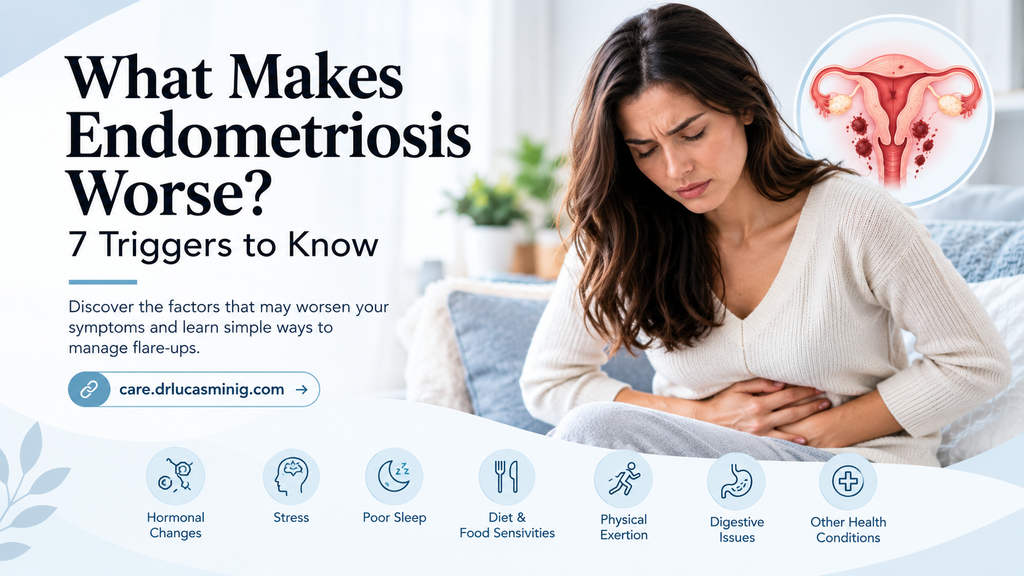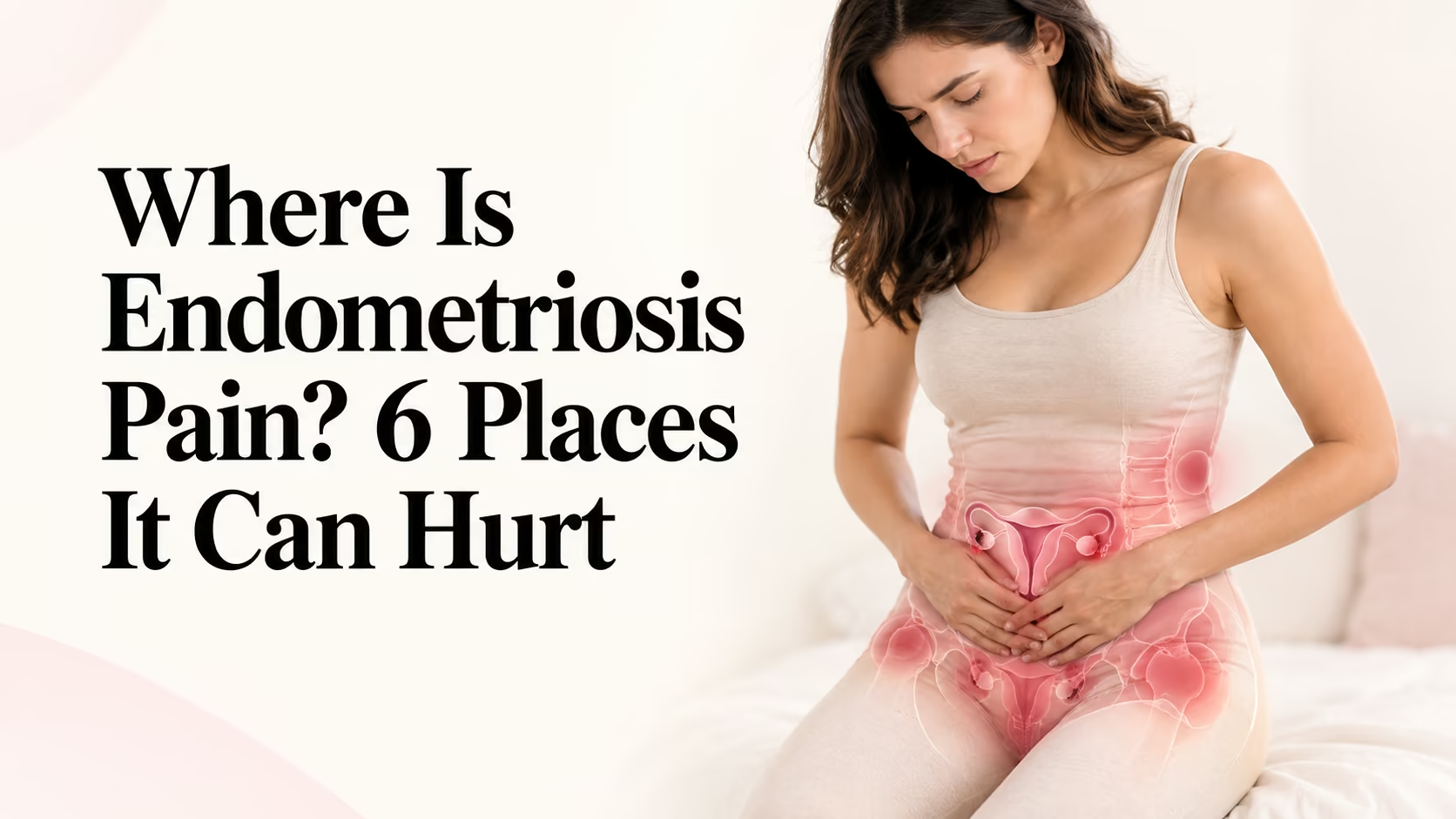
Where is endometriosis pain? It is most commonly felt in the pelvis and lower abdomen, but it can also affect the lower back, hips, ovaries, bowel, bladder, and other areas of the body. Some people experience severe menstrual cramps, while others have persistent pelvic discomfort, pain during sex, or pain when passing urine or having a bowel movement. The location and pattern of symptoms can vary considerably from person to person.
If you experience recurring pelvic pain or unusually painful periods, you might wonder whether endometriosis could be responsible. Understanding where the pain occurs, when it appears, and how it affects your daily life can help you describe your symptoms to a healthcare professional. However, pain location alone cannot confirm the condition.
Table of Contents
What Is Endometriosis and Why Does It Cause Pain?
Endometriosis is a chronic inflammatory condition in which tissue similar to the lining of the uterus grows outside the uterus. These growths, often called endometriosis lesions, commonly develop around the ovaries, pelvic lining, and tissues near the uterus. They can also affect the bowel, bladder, and, less commonly, areas outside the pelvis.
According to the World Health Organization (WHO), endometriosis affects approximately 10% of women and girls of reproductive age worldwide. Its symptoms can interfere with daily activities, relationships, work, and fertility.
Endometriosis can cause pain through inflammation, irritation of surrounding tissues, and the formation of scar tissue or adhesions. These adhesions may cause nearby organs and tissues to stick together. In some cases, endometriosis also involves ovarian cysts called endometriomas.
The relationship between endometriosis and pain is not always straightforward. Two people with similar-looking disease may experience very different symptoms. One might struggle with intense period pain, while another might experience bowel discomfort or persistent lower-back pain.
Understanding this variation is important when considering where endometriosis pain is felt. Symptoms can provide valuable clues, but they do not always reveal exactly where the lesions are located.
Where Is Endometriosis Pain Most Commonly Felt?
Endometriosis pain most often affects the pelvic region, which includes the lower abdomen and the areas surrounding the uterus, ovaries, and other reproductive organs. Depending on the tissues involved and the way the nervous system responds, discomfort may spread to nearby regions or appear during specific activities.

Here are the main locations to understand.
1. Pelvis and Lower Abdomen
The pelvis and lower abdomen are the most common locations for endometriosis-related pain. You might feel cramping below your belly button, pressure deep inside the pelvis, or aching around the lower part of your abdomen.
For some people, the pain resembles intense menstrual cramps. For others, it feels sharp, heavy, or persistent. It may become worse shortly before menstruation and continue through the period.
The American College of Obstetricians and Gynecologists (ACOG) identifies chronic pelvic pain, particularly pain around menstruation, as a common symptom of endometriosis.
You may also notice that pelvic discomfort interferes with walking, exercising, sleeping, or concentrating at work. Pain that repeatedly disrupts your normal activities deserves medical attention rather than being dismissed as an unavoidable part of menstruation.
2. Lower Back and Hips
Endometriosis can also be associated with lower-back pain and discomfort around the hips. You might notice an aching sensation across your lower back, pressure near the pelvic joints, or pain that becomes more noticeable during your period.
The relationship between back pain and endometriosis can be complicated. Pelvic inflammation, muscle tension, pelvic-floor dysfunction, and changes in how the nervous system processes pain may contribute to the overall experience.
For some people, the discomfort feels similar to ordinary back strain. However, recurring lower-back pain that follows a menstrual pattern, particularly when accompanied by painful periods or deep pelvic pain, may warrant an endometriosis assessment.
Back pain alone does not mean you have endometriosis. Muscle problems, spinal conditions, urinary conditions, and other causes must also be considered.
3. Ovaries and One Side of the Pelvis
Endometriosis frequently affects the ovaries and can sometimes cause endometriomas, which are cysts associated with the condition.
If you experience pain around one ovary, you may notice discomfort predominantly on the left or right side of the lower abdomen. The pain could feel like pressure, tenderness, cramping, or a deeper ache.
However, pain on one side cannot reliably identify which ovary or pelvic structure is affected. Several conditions, including ovarian cysts and other gynecological problems, may produce similar symptoms.
If one-sided pelvic pain is severe or begins suddenly, seek urgent medical assessment, particularly if it accompanies vomiting, fainting, fever, or possible pregnancy. These symptoms can indicate conditions that need prompt treatment.
4. Bowel and Rectal Area
Can endometriosis cause pain when you have a bowel movement? Yes. When endometriosis involves tissues around the bowel or rectum, some people experience pain during bowel movements, particularly around menstruation.
Possible symptoms include:
- Pain or pressure in the rectal area.
- Pain during bowel movements.
- Constipation, diarrhea, or abdominal bloating.
- Pelvic discomfort that becomes worse before or during menstruation.
The medical term for painful bowel movements is dyschezia. Although this symptom can occur with bowel-related endometriosis, it can also result from conditions such as constipation, irritable bowel syndrome, or other digestive disorders.
Pay attention to patterns rather than assuming that every digestive symptom is caused by endometriosis. For example, recurring bowel pain that becomes noticeably worse around your period is useful information to share with your doctor.
Blood in your stool, persistent changes in bowel habits, or severe abdominal pain also deserve medical evaluation.
5. Bladder and Urinary Tract
Endometriosis may affect tissues surrounding the bladder or, less commonly, the bladder itself and other parts of the urinary tract.
Depending on the situation, symptoms may include pain when urinating, discomfort or pressure in the pelvis, and urinary symptoms that become more noticeable during menstruation. The medical term for painful urination is dysuria.
Bladder-related endometriosis can sometimes resemble a urinary tract infection or another bladder condition. However, burning during urination is not specific to endometriosis, and a urinary infection should not be overlooked.
If you repeatedly experience urinary discomfort, especially alongside cyclical pelvic pain, discuss the pattern with a healthcare professional. Blood in the urine, difficulty passing urine, or severe pain requires prompt evaluation.
6. Legs, Chest, Shoulder, and Other Less Common Areas
Although endometriosis is most commonly associated with pelvic pain, symptoms can sometimes extend beyond the pelvis.
Some people report pain radiating into the buttocks or legs. In selected cases, endometriosis involving nerves or tissues near nerve pathways may contribute to this pattern. Pelvic-floor problems and other musculoskeletal conditions can also cause radiating pain, so leg pain alone cannot establish a connection to endometriosis.
Endometriosis can also rarely involve the diaphragm or chest. Depending on the location, symptoms may include cyclical chest pain, shoulder-tip pain, or pain associated with breathing.
The NHS endometriosis guidance recognizes that the condition can occasionally affect areas outside the pelvis, including the chest.
A useful distinction is that chest or shoulder pain should never automatically be attributed to endometriosis. Sudden chest pain, significant shortness of breath, coughing up blood, or severe unexplained pain requires emergency medical assessment.
What Does Endometriosis Pain Feel Like?
The sensation of endometriosis pain differs between individuals. Some describe intense, wave-like cramps, while others experience a constant ache or sharp pain during particular activities.

You might experience:
- Cramping: Menstrual pain that feels unusually intense or interferes with everyday activities.
- Aching: Persistent discomfort in the lower abdomen, pelvis, or back.
- Sharp or stabbing pain: Brief or repeated episodes of pain in the pelvic region or other affected areas.
- Deep pain during sex: Discomfort during or after penetration, particularly with deeper penetration.
- Bowel-related pain: Discomfort during bowel movements, especially around menstruation.
- Urinary pain: Pain or pressure associated with urination when the urinary tract is involved.
A clinician at Cleveland Clinic explains the relationship between location and symptoms particularly well:
“The location of your pain gives your healthcare provider clues about where endometriosis has developed within your body.”
Source: Cleveland Clinic — What Does Endometriosis Feel Like?
The important word is clues. These patterns can help guide an assessment, but they cannot establish a diagnosis by themselves.
Does Endometriosis Pain Occur Only During Your Period?
No. Endometriosis pain can occur before, during, and after menstruation, and some people experience symptoms throughout their menstrual cycle.
For example, you might notice severe cramps during the first days of your period but experience lower-back discomfort or pelvic pressure at other times. Another person might experience recurring pain during sex or bowel movements without having obvious symptoms every month.
The Mayo Clinic’s endometriosis guidance explains that symptoms can include pelvic pain during or outside menstrual periods, painful intercourse, and pain with bowel movements or urination.
Keeping a symptom diary can help you identify patterns. Record when the pain begins, where you feel it, its intensity, how long it lasts, and whether it occurs alongside bleeding, bowel movements, urination, or sexual activity.
You do not need to wait until symptoms become severe before discussing them with a doctor. Persistent or recurring pain deserves attention even when it does not follow a predictable menstrual pattern.
Does the Location of Endometriosis Pain Reveal Its Severity?
Not necessarily. The location of endometriosis pain does not reliably show how advanced the disease is, how many lesions are present, or how deeply the surrounding tissues are affected.
Some people with relatively limited visible disease experience severe pain. Others have more extensive endometriosis but report fewer symptoms.
Research published in the medical literature has also found that pain location does not consistently correspond to the anatomical location or burden of endometriosis lesions. In a study of people with chronic pelvic pain and surgically confirmed endometriosis, researchers found that the relationship between reported pain and lesion location was limited. Read the study on PubMed.
This is why symptoms need to be interpreted alongside medical history, examination findings, and appropriate investigations.
It is also possible to have endometriosis without obvious pain symptoms. Therefore, neither severe pain nor the absence of pain provides a complete picture of the condition.
When Should You Seek Medical Advice for Endometriosis Pain?
You should arrange a medical assessment if you experience recurring pelvic pain, unusually painful periods, pain during or after sex, or discomfort when passing urine or having a bowel movement.
It is especially important to seek advice when pain affects your ability to work, study, exercise, sleep, or participate in normal activities. Persistent symptoms that do not improve with initial treatment also deserve further investigation.
Do not assume that a normal initial examination or scan rules out endometriosis. The UK’s National Institute for Health and Care Excellence (NICE) recommends ultrasound for people with suspected endometriosis and explicitly advises clinicians not to exclude the condition solely because an examination or ultrasound is normal.
Seek emergency medical attention for sudden, severe abdominal or pelvic pain, fainting, significant breathing difficulties, severe chest pain, or other rapidly worsening symptoms.
Early assessment can help clarify the possible cause of the pain and identify an appropriate management plan.
How Is Endometriosis Pain Evaluated and Treated?
An endometriosis assessment usually begins with a detailed discussion of your symptoms, menstrual history, medical background, and any previous treatments.
Your doctor may ask where you feel the pain, when it occurs, whether it follows your menstrual cycle, and whether you have bowel, bladder, or fertility concerns. Depending on your circumstances, the assessment may include a physical or pelvic examination and imaging such as an ultrasound or MRI.
A normal scan does not always exclude endometriosis. If symptoms persist or deep endometriosis is suspected, further specialist assessment may be appropriate. Laparoscopy may also be considered in selected cases.
Treatment depends on the symptoms, the location and extent of the disease, previous treatment responses, and whether pregnancy is a current or future priority.
Possible approaches include pain-relieving medication, hormonal treatment, and surgery when clinically appropriate. Some people also benefit from supportive care, including pelvic-floor physiotherapy or other multidisciplinary approaches tailored to their needs.
Surgery is not necessary for everyone with endometriosis. Treatment decisions should account for individual circumstances, potential benefits, risks, and personal goals.
Getting Specialist Endometriosis Care in Spain
If recurring pelvic pain, painful periods, or suspected deep endometriosis is affecting your quality of life, a specialist assessment may help you understand the available options.
Dr. Lucas Minig and his team in Valencia, Spain, provide endometriosis-related care, including evaluation, personalized treatment planning, medical management, and minimally invasive surgery when appropriate. The clinic also provides information for international patients seeking consultations or a second opinion.
During a specialist consultation, the goal is to consider the complete clinical picture rather than interpret pain location in isolation. Your symptoms, previous investigations, treatment history, and reproductive goals can all influence the next steps.
You can learn more about the clinic’s approach on the Endometriosis Treatment and Care page or review the available endometriosis treatment options.
Seeking specialist care does not automatically mean you will need surgery. The most suitable plan depends on your individual diagnosis and circumstances.
Medical References
- World Health Organization. Endometriosis — Fact Sheet.
- American College of Obstetricians and Gynecologists. Endometriosis — Patient FAQ.
- Cleveland Clinic. What Does Endometriosis Feel Like?.
- Mayo Clinic. Endometriosis: Symptoms and Causes.
- National Institute for Health and Care Excellence. Endometriosis: Diagnosis and Management — Recommendations.
- Relating Pelvic Pain Location to Surgical Findings of Endometriosis — PubMed.
Conclusion
So, where is endometriosis pain? Most commonly, it occurs in the pelvis and lower abdomen, but it can also affect the lower back, ovaries, bowel, bladder, and, more rarely, areas such as the chest or tissues near nerves. The pain may appear during menstruation or persist throughout the month, and its intensity does not necessarily reflect the extent of disease. If recurring symptoms interfere with your daily life, seek a medical assessment instead of assuming that severe period pain is normal. Understanding your symptoms is an important first step toward identifying the cause and exploring appropriate care.
FAQ’s
Can Endometriosis Pain Occur on One Side?
Yes. Endometriosis pain can be felt predominantly on the left or right side of the pelvis, including around an ovary. However, one-sided pain does not identify the exact location of an endometriosis lesion. Ovarian cysts and other conditions can cause similar symptoms, so an appropriate assessment is important.
Can You Have Endometriosis Without Pelvic Pain?
Yes. Some people with endometriosis have few or no noticeable pain symptoms. The condition may be discovered during fertility investigations or another medical procedure. The absence of pelvic pain does not automatically rule out endometriosis.
Can Endometriosis Cause Lower Back and Leg Pain?
Endometriosis can be associated with lower-back discomfort and pain that radiates into the buttocks or legs. The cause may involve pelvic inflammation, nerve involvement, or related musculoskeletal problems. However, these symptoms have many possible causes and require assessment rather than an assumption that endometriosis is responsible.
Can Endometriosis Pain Occur Between Periods?
Yes. Endometriosis pain can occur outside menstruation and may be persistent or associated with particular activities, such as sex, urination, or bowel movements. Tracking the timing and location of symptoms can help your healthcare professional understand the pattern.
Does the Location of Endometriosis Pain Indicate Its Severity?
No. Pain location and intensity cannot reliably determine the amount or stage of endometriosis. Clinical assessment may involve a symptom history, examination, imaging, and further investigations when appropriate. Treatment should be based on the overall clinical picture, not pain location alone.