
Weight gain is usually a risk factor — not a symptom. Dr. Lucas Minig explains what to watch for, tests doctors use, and when to seek care in Spain. Book a rapid consult.
Introduction
Weight change is a common concern for women at every stage of life. When that change occurs alongside gynecologic symptoms, the question often arises: can endometrial cancer cause weight gain? This document explains the relationship between body weight and endometrial (uterine) cancer, clarifies when weight change should prompt clinical evaluation, and describes practical steps patients and clinicians in Spain typically take to diagnose, treat and manage weight during and after therapy.
What is endometrial (uterine) cancer?
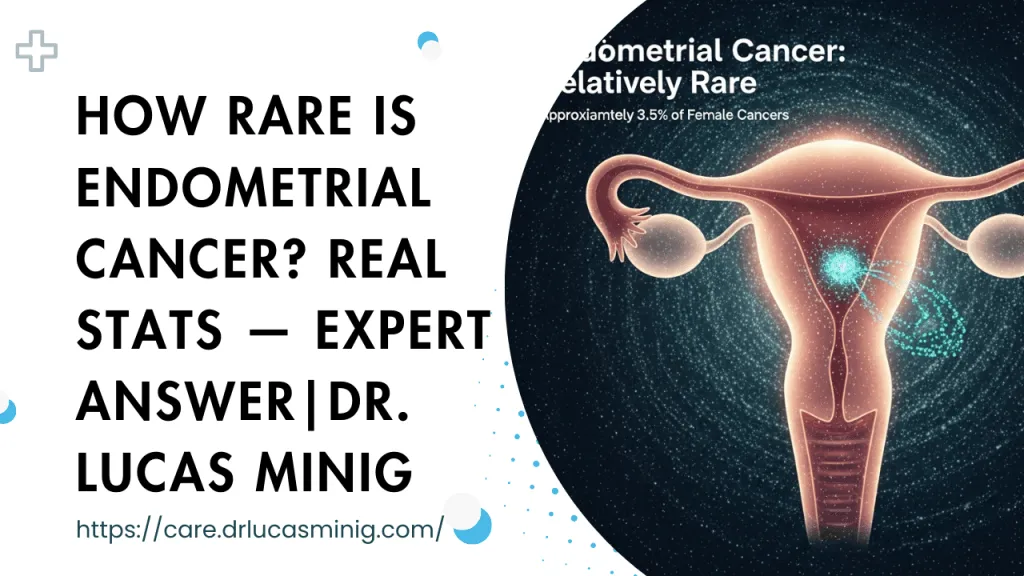
Endometrial cancer is a malignancy that starts in the lining of the uterus (the endometrium). It is one of the most common gynecologic cancers in developed countries and is usually hormone-sensitive, particularly to estrogen.
Anatomy and basic biology
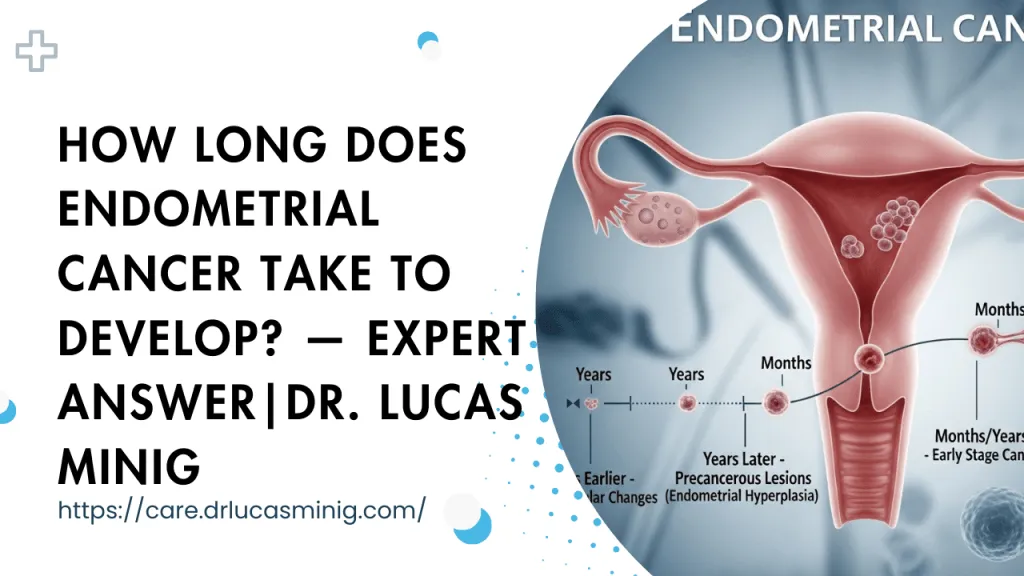
Endometrial cancer begins in the endometrium — the inner lining of the uterus. The endometrium responds to cyclical hormone signals (estrogen and progesterone) during the reproductive years. When cells in the endometrium develop uncontrolled growth and abnormal behaviour, a malignant tumour can form. There are broadly two clinical-pathologic types: the more common, hormone-driven Type I cancers (often linked to estrogen exposure) and the less common, more aggressive Type II tumours. Treatment decisions depend on tumour histology, grade and stage.
Common symptoms to watch for
- Abnormal vaginal bleeding (the single most important and common symptom): any bleeding after menopause, intermittent bleeding between periods, or unusually heavy periods in premenopausal women.
- Vaginal discharge (unusual or blood-streaked).
- Pelvic pain or pressure (less common and less specific).
- Abdominal bloating or distension — usually related to other causes but can be a sign in advanced or ovarian-involving disease.
Can Endometrial Cancer Cause Weight Gain?
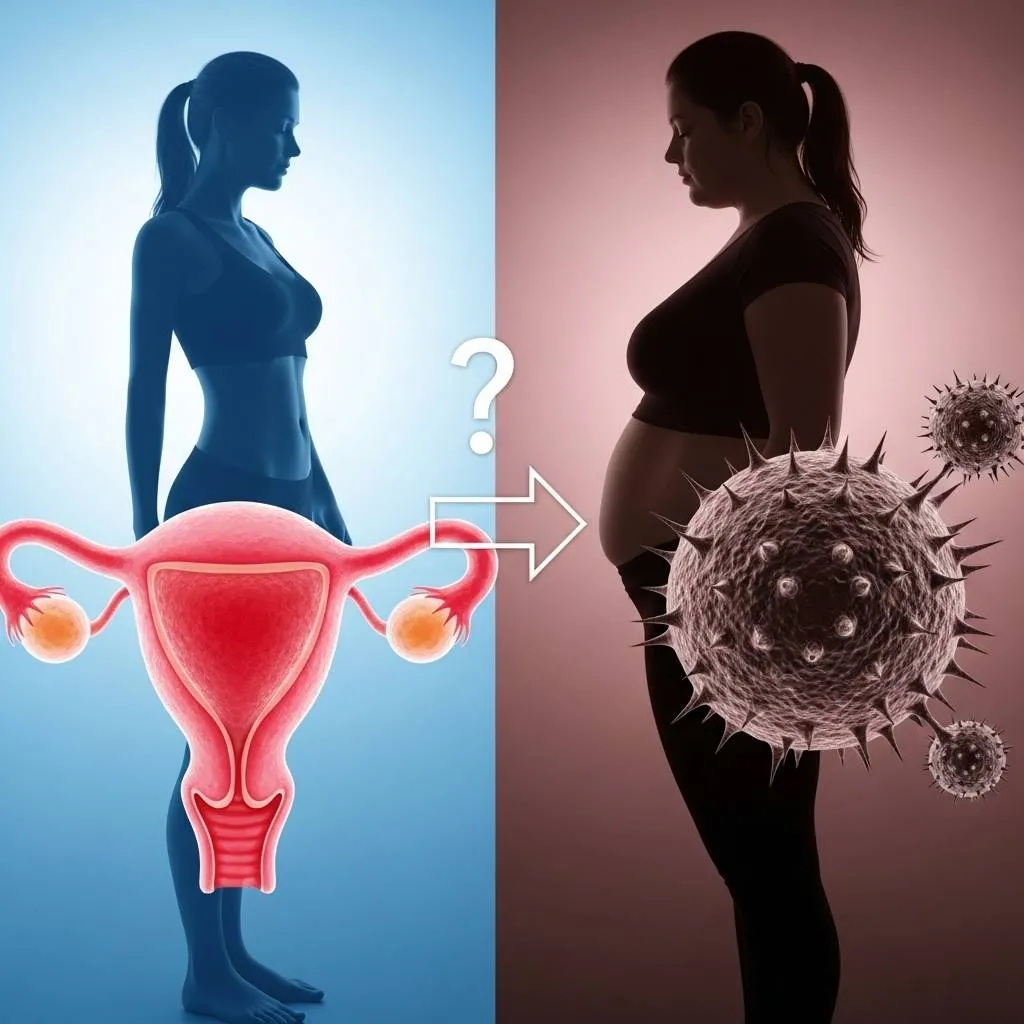
For the majority of patients, endometrial cancer does not directly cause generalized weight gain. The cancer’s earliest effects are local (bleeding, discharge) because the tumour begins in the uterine lining. When systemic metabolic effects occur — which could influence weight — the disease is often advanced. Thus, new or unexplained weight gain alone is an unlikely early sign of endometrial cancer. If you are experiencing weight gain alongside red-flag symptoms (especially postmenopausal bleeding), seek evaluation; otherwise, consider common metabolic or endocrine causes first.
Why weight gain is usually not a direct symptom
Tumors confined to the uterine lining are typically small; they do not produce hormones or metabolic disturbances that cause generalized weight gain.
Weight gain is most commonly due to:
- Lifestyle and diet,
- Menopausal hormonal shifts,
- Medications (antidepressants, steroids, antipsychotics, some antiepileptics),
- Endocrine problems (hypothyroidism, Cushing’s), or
- Polycystic ovary syndrome (PCOS) in younger women.
Exceptions exist (see below: when weight change may be cancer-related), but the presence of weight gain alone is not diagnostic of endometrial cancer.
How body weight and hormones are linked to endometrial cancer?
Role of estrogen and adipose tissue
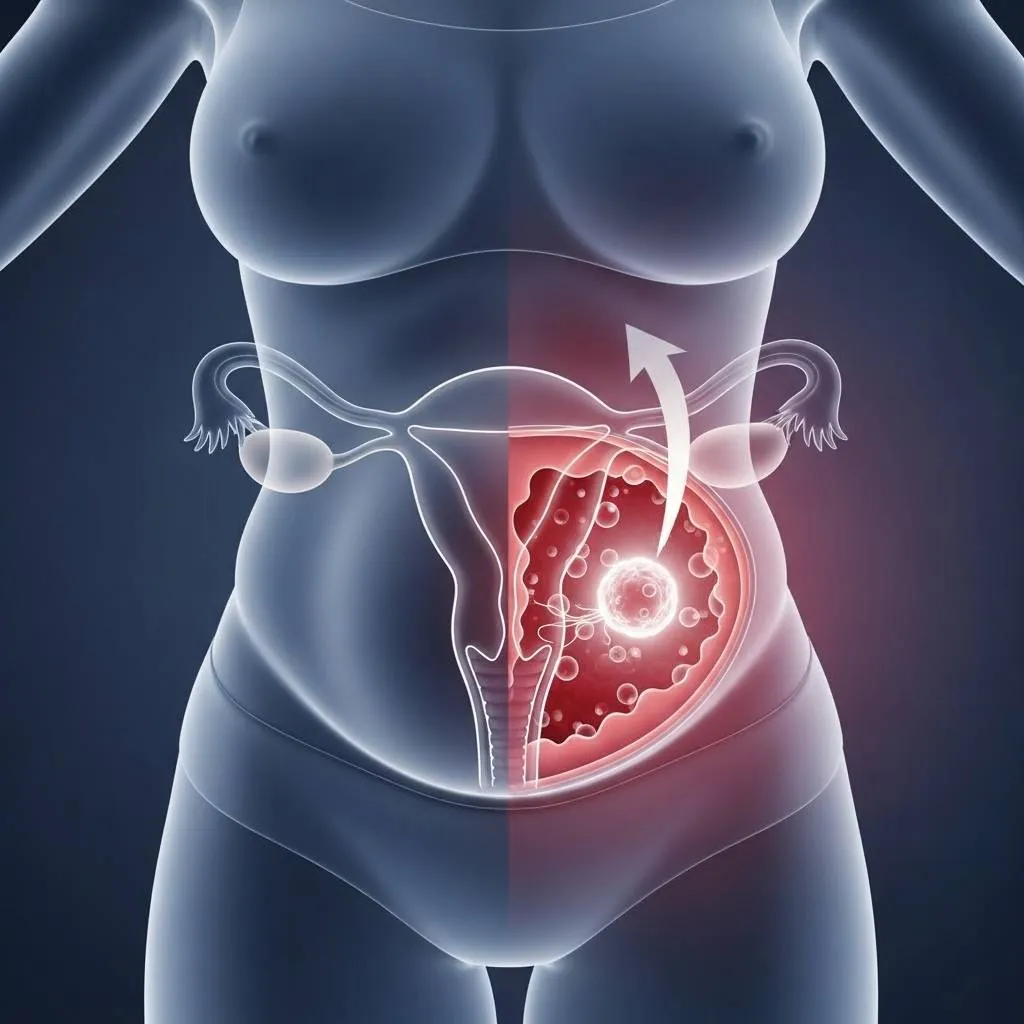
Adipose tissue is metabolically active: it converts and stores hormones and releases inflammatory mediators. In postmenopausal women, peripheral conversion of androgens to estrogens within adipose tissue becomes a major source of circulating estrogen. Prolonged exposure to relatively unopposed estrogen (i.e., estrogen without sufficient progesterone) stimulates the endometrium and increases the risk of abnormal cell proliferation and cancer. This biological mechanism explains why higher body mass index (BMI) and adult weight gain are strongly associated with endometrial cancer incidence.
Metabolic syndrome, diabetes and risk
Obesity commonly coexists with insulin resistance, type 2 diabetes and metabolic syndrome. Hyperinsulinaemia and related growth-factor signalling further promote endometrial proliferation and have been implicated in increased endometrial cancer risk. Clinically, this clustering of metabolic risk factors is an important prevention target: managing weight, blood sugar and blood pressure reduces overall risk and improves outcomes for patients.
Does the cancer itself cause weight gain?
Tumour biology vs systemic symptoms
In general oncology, systemic metabolic effects of malignancy more often cause weight loss and muscle wasting (cachexia). Endometrial tumours confined to the uterus rarely create an endocrine or metabolic milieu that produces weight gain. Advanced and widespread malignancy can produce complex metabolic changes, but such presentations are not typical for early or localized endometrial cancer. Therefore, clinicians consider other, more likely causes when confronted with weight gain in a patient with endometrial cancer.
When weight changes are more likely to be cancer-related
There are limited scenarios in which a cancer could appear to cause weight change:
- Abdominal distension from ascites or large intra-abdominal/ovarian masses — this may be perceived as weight gain or bloating rather than true adipose increase.
- Rapid metabolic shifts in advanced disease — although these more commonly lead to weight loss.
- Treatment-related effects — surgery, hormonal agents and supportive medications may cause fluid retention, appetite changes, or reduced activity that result in weight gain (discussed below).
Can treatment for endometrial cancer cause weight gain?
Surgery and recovery: reduced activity and fluid shifts
Surgical management (hysterectomy ± bilateral salpingo-oophorectomy and staging) is the mainstay for early disease. During recovery, reduced physical activity, pain, and temporary fluid retention can lead to short-term weight changes. Over the longer term, many survivors experience gradual weight gain and loss of lean mass if they do not engage in targeted rehabilitation and nutrition interventions. Large clinical series report that a significant proportion of patients gain weight in the survivorship period.
Hormone therapy, steroids and appetite changes
Some patients receive progestin therapy (e.g., for fertility-sparing treatment or symptom control) or short courses of systemic steroids for supportive care. These agents can increase appetite, promote fluid retention, and alter fat distribution — effects that may result in measurable weight gain for some patients. When clinicians prescribe these medications they typically counsel patients about potential metabolic side effects and consider monitoring and preventive measures.
Radiotherapy and chemotherapy effects
Radiation and certain chemotherapies can produce fatigue, changes in taste, nausea, or decreased physical activity. For some patients these side effects lead to reduced caloric expenditure and gradual weight gain; for others, side effects provoke weight loss. The net effect is heterogeneous and strongly influenced by baseline BMI, supportive care, and access to rehabilitation services.
Typical weight patterns seen in patients (research evidence)
Weight gain after surgery / during survivorship
Multiple studies report that a meaningful percentage of endometrial cancer patients gain weight after diagnosis and surgery. One multicentre series found consistent weight increases in the months and years following surgical staging; other studies report that roughly one-third of patients experience post-diagnosis weight gain, with higher risk in patients starting with obesity. These trends have clinical importance because excess weight after treatment increases the risk of cardiovascular disease, diabetes and possibly disease recurrence.
Weight loss vs weight gain: prognostic significance
The prognostic implications of post-diagnosis weight change are complex. Some research indicates both substantial weight loss and substantial weight gain after treatment associate with different survival outcomes; however, these associations are confounded by underlying comorbidities, disease stage and treatment intensity. The pragmatic clinical recommendation is to aim for weight stability with preservation of muscle mass through tailored diet and exercise interventions.
Practical factors that commonly drive weight gain during/after treatment
Physical inactivity and fatigue
Reduced daily movement after surgery and during adjuvant therapy is a principal driver of weight gain. Fatigue limits exercise tolerance; muscle atrophy lowers basal metabolic rate; routine habits (commuting, work) are disrupted. Structured, progressive physical activity prescriptions help restore function and limit unwanted weight accumulation.
Emotional stress, sleep and eating patterns
Diagnosis and treatment provoke stress, anxiety and sleep disturbances. Emotional eating, increased snacking, or night-time eating patterns contribute to a caloric surplus. Addressing psychological health and sleep quality is therefore an integral component of weight management.

Medication side effects and fluid retention
Drugs such as corticosteroids, some antiemetics, and hormonal agents may induce increased appetite or fluid retention. Simple measures (medication review, salt restriction, and timely referrals to dietitians) can reduce avoidable weight increases.
What to do if you notice weight gain (patient action plan)
When to contact your doctor in Spain
Contact your gynaecologist or primary care provider in Spain if you experience unexplained weight gain together with abnormal vaginal bleeding, new pelvic pain, or changes in bladder/bowel habits. For isolated weight gain without other symptoms, the first step is a clinical review to assess metabolic causes, medication effects, and lifestyle factors — and to determine whether urgent endometrial assessment is indicated. Spanish gynecologic services (both public hospitals and private clinics) commonly offer expedited evaluation pathways for suspicious bleeding and related concerns.
Baseline tests and diagnostic steps
A typical evaluation includes:
- Full medical history and medication review.
- Physical examination including pelvic exam.
- Basic labs: thyroid function (TSH), fasting glucose/HbA1c, liver/renal panels.
- Transvaginal ultrasound to assess endometrial thickness and pelvic structures.
- If indicated, an endometrial biopsy or hysteroscopy to obtain tissue for histology.
This pathway is standard in Spain and aligns with international guidance.
Weight management strategies during treatment
Nutrition and dietetic support
Work with a registered dietitian experienced in oncology. Focus on:
- Adequate protein for healing and muscle preservation.
- Calorie balance that matches reduced activity while supporting recovery.
- Anti-inflammatory dietary patterns (vegetables, whole grains, lean protein) that also support cardiovascular health.
Many cancer centers and private clinics in Spain integrate dietetic services into survivorship care.
Safe exercise and physiotherapy
Rehabilitation specialists prescribe graded aerobic and resistance training as soon as clinically feasible. Programs focus on restoring function, improving fatigue and preserving muscle — all critical to avoiding unfavourable body composition changes.
Multidisciplinary approach: oncology, gynecology, nutrition
Best outcomes come from team-based care: gynecologic oncologists, medical oncologists, dietitians, physiotherapists and psychologists coordinate to manage both cancer and survivorship risks. In Spain, many specialist centres and expert surgeons (including Dr. Lucas Minig and multidisciplinary clinics) provide integrated pathways that include weight and metabolic care as part of the treatment plan.
Prevention: lowering endometrial cancer risk via weight control
Evidence-based lifestyle measures
Reducing obesity reduces endometrial cancer risk. Practical, evidence-based steps include:
- Gradual, sustained weight loss (5–10% body weight has meaningful metabolic benefits).
- Regular physical activity (150 minutes/week moderate aerobic + resistance sessions).
- Management of diabetes and hypertension.
- Smoking cessation and limiting alcohol.
Primary prevention through weight control is a powerful public-health strategy and a personal-risk-reduction tactic.
Role of doctors and primary care in Spain
Primary care physicians and gynaecologists in Spain play a front-line role in prevention: routine BMI monitoring, opportunistic lifestyle counselling, and referrals to community or hospital-based weight management services form the backbone of prevention efforts. Specialist clinics also offer targeted survivorship programs that include metabolic risk reduction.
How doctors in Spain assess unexplained weight change and gynecologic concerns
Typical diagnostic pathway: history, ultrasound, endometrial biopsy
Spanish clinicians follow a pragmatic pathway: symptom and medication review → pelvic exam → TVUS → endometrial sampling if indicated. This algorithm expedites diagnosis for patients with abnormal bleeding and helps distinguish metabolic causes of weight gain from gynecologic pathology.
What Dr. Lucas Minig and other gynecologic surgeons commonly advise
Experienced gynecologic oncologists emphasise early evaluation for bleeding, individualized counselling about weight and metabolic risk, and coordinated referrals to nutrition and rehabilitation. Clinics led by specialists such as Dr. Lucas Minig in Valencia highlight rapid work-up and integrated survivorship planning that addresses both oncologic and lifestyle needs.
Real-world examples and patient stories (anonymized patterns)
Typical recovery pathways
- Case pattern A — Early-caught disease: A postmenopausal woman presents with light bleeding, ultrasound shows endometrial thickening, biopsy confirms early endometrioid carcinoma. She undergoes laparoscopic hysterectomy, recovers, and engages in a structured rehabilitation and nutrition program to prevent weight gain and cardiometabolic risk.
- Case pattern B — Survivorship weight gain: A woman treated successfully for stage I endometrial cancer develops fatigue and reduces activity; over 12–24 months she gains weight. Intervention with a physiotherapist and dietitian reverses the trend and improves quality of life.
- Case pattern C — Advanced disease with distension: A less common presentation is an advanced pelvic process causing ascites and abdominal distension that is mistaken for simple weight gain; targeted imaging quickly distinguishes fluid/mass from adipose gain and alters management.
These anonymized patterns illustrate the clinical scenarios clinicians see and how appropriate workup leads to correct diagnosis and tailored management.
FAQ’s
Can gaining weight mean I have endometrial cancer?
No — weight gain by itself is not a reliable indicator of endometrial cancer. The most important symptom to evaluate is abnormal vaginal bleeding.
Why do many women with endometrial cancer have overweight or obesity?
Long-term weight gain increases estrogen exposure and metabolic risk, which raises lifetime risk for endometrial cancer — therefore many patients were already overweight before diagnosis.
Will surgery for endometrial cancer make me gain weight?
Surgery itself does not directly cause fat gain, but reduced activity during recovery and changes in routine can lead to modest weight increase. Early rehabilitation and dietetic support reduce this risk.
What tests will my doctor perform if I’m worried?
Typical evaluation includes clinical history, pelvic exam, transvaginal ultrasound (TVUS) and an endometrial biopsy if indicated. Basic metabolic tests may be ordered for unexplained weight change.
Where can I get help in Spain for weight and cancer care?
Public hospitals and private specialist centres offer integrated care. Clinics led by gynecologic oncologists (for example, Dr. Lucas Minig in Valencia) provide rapid diagnostic pathways and multidisciplinary support including nutrition, physiotherapy and survivorship planning.
Conclusion
To answer the central question plainly: endometrial cancer itself rarely causes weight gain. Rather, weight gain is most often a risk factor for developing endometrial cancer or a secondary effect of treatment, inactivity, medications, or lifestyle changes after diagnosis. The clinical priority remains prompt evaluation of abnormal vaginal bleeding and other gynecologic symptoms. For patients in Spain, coordinated care pathways and multidisciplinary survivorship programs — including nutrition and physiotherapy — are available at specialist centres and private clinics. If you or someone you know is concerned about weight changes and gynecologic symptoms, consult your gynaecologist or a gynecologic oncologist for a thorough assessment and individualized plan.